
The AI Gold Rush: Sport Needs to Think Bigger
By Tom Scott, Trippant CEO
Sport has a habit of getting excited about technology before it works out what to do with it.
We saw it with Web3 during the pandemic boom, everyone wanted a platform, an ecosystem or a piece of the next digital frontier. There was no shortage of ambition, investment or announcements. But building something new was often mistaken for building something valuable. AI risks following a similar path in sport unless the industry starts thinking much bigger.
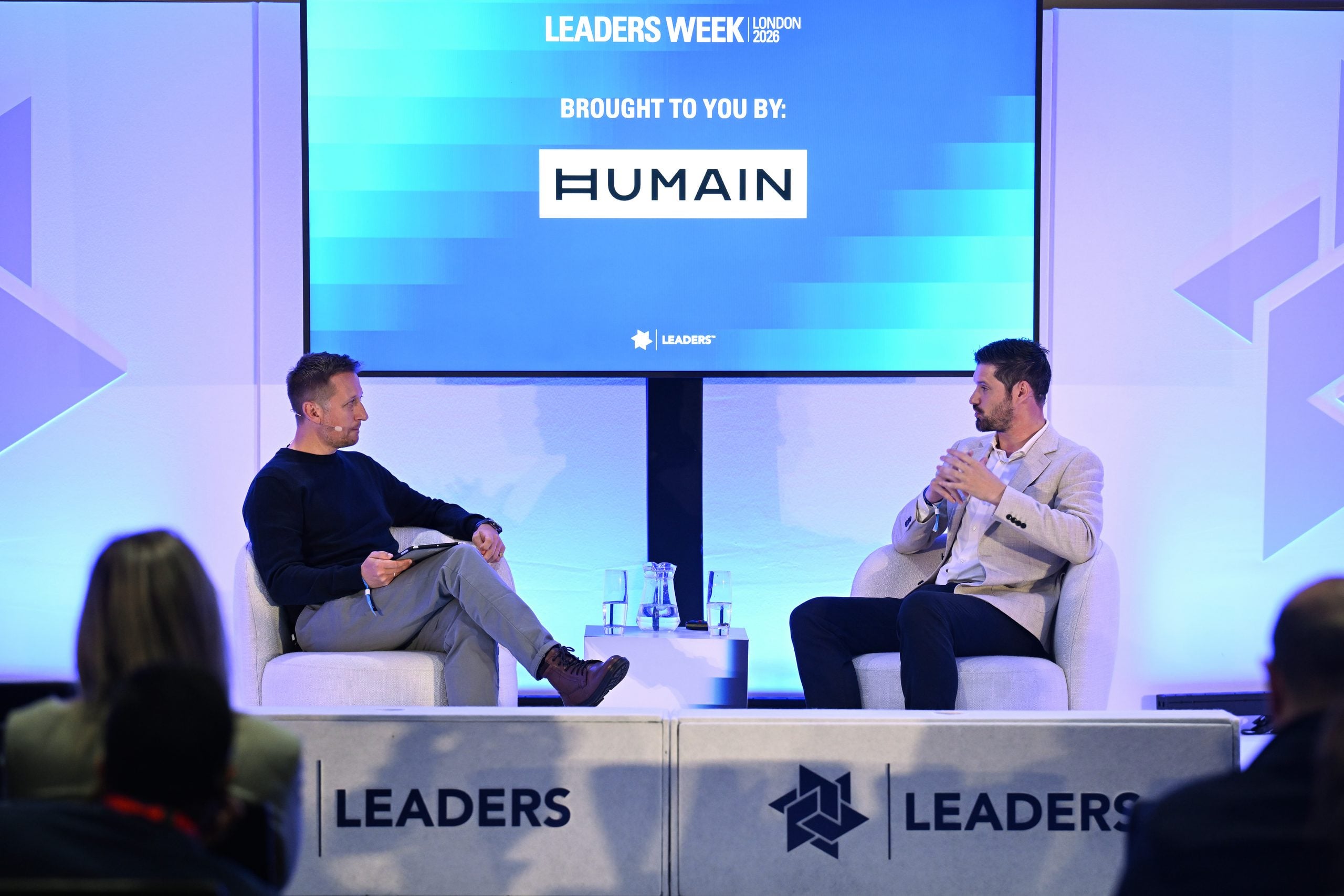
At Leaders Week in London earlier in October, a conversation with HUMAIN Sport reinforced a point I believe will define the next phase of AI in sport – that the biggest opportunity isn’t another clever tech tool, it’s the infrastructure that connects them.
For the past few years, the conversation around AI in sport has largely been about what individual tools can do.
Can computer vision help coaches analyse performance?
Can AI uncover talent that might otherwise go unnoticed?
Can it give fans a better experience or help sports organisations run more efficiently?
These are all worthwhile questions. But they tend to look at AI one problem at a time, rather than asking how it could change the way the sports industry operates as a whole.
The more consequential question is what happens when the technology, data and intelligence behind those applications start working together.
Sport doesn’t have a shortage of technology. Clubs, leagues, federations and rights holders have invested in platforms, analytics products and digital services for years. The problem is that too many of these systems operate in isolation, creating fragmented data, duplicated effort and technology estates that are difficult to turn into a strategic advantage.
Adding another AI product to that environment may solve a problem. It won’t necessarily solve the bigger one.
The next competitive advantage in sport won’t come from having the most AI tools. It will come from having the infrastructure to make them work together.
The platform race is already underway
HUMAIN’s approach is interesting because it starts further upstream. Backed by Saudi Arabia’s Public Investment Fund, HUMAIN is building across the AI value chain, from data centres and cloud infrastructure to models, applications and AI solutions. HUMAIN Sport, launched in February 2026, brings that ambition into sport, spanning participation, talent development, elite performance, fan engagement and commercial operations.
The significance isn’t simply that another major player is entering sports technology. It’s that the ambition is to build the underlying layer on which multiple applications and capabilities can operate. That is a fundamentally different proposition from selling a standalone product.
And it raises a question every sports organisation should be asking: are we buying technology to solve today’s problems, or building the capability to create tomorrow’s advantage?
The distinction matters because technology procurement is often treated as a series of separate decisions. A club buys one system for performance, another for fan data, another for ticketing and another for commercial intelligence. Each may be defensible in isolation. But without a coherent strategy connecting them, the organisation risks accumulating products without building capability.
AI makes that problem more pressing. The value of an AI application depends not only on the model itself, but on the quality of the data it can access, the systems it can connect to, the decisions it can inform and the way it is embedded in the organisation.
The industry needs to stop asking only, “What can this product do?” and start asking, “What becomes possible when our data, systems and people work together?”
The real asset isn’t the algorithm, rather what sits underneath it.
This is where the conversation becomes commercial. As AI becomes more accessible, the tools themselves may become less of a differentiator. Competitors can buy similar products, adopt similar models and automate similar tasks.
The harder advantage to replicate is the infrastructure: the quality and connectivity of the data, the workflows built around it, the organisational knowledge captured within it and the ability to turn insight into action.
That doesn’t mean every club or federation needs to build its own AI platform. In many cases, that would be expensive, unnecessary and strategically misguided.
It does mean organisations need to understand what they are buying, what they are contributing and what they retain control over.
Who owns the data? Who can access it? Can it move between systems? Can the organisation take its data and workflows elsewhere? Does the technology strengthen its own capabilities, or make it increasingly dependent on a provider?
These are not simply technical questions to leave to the IT department. They are questions about commercial leverage, future flexibility and competitive advantage.
There is a lesson here from the Web3 era. The rush to own platforms often obscured a more fundamental question: what value would those platforms actually create, and who would capture it?
AI could produce a similar scramble. Sports organisations may rush to secure partnerships, adopt platforms and declare themselves AI-enabled without fully understanding the long-term implications of those decisions. The risk isn’t being late to AI. It’s moving quickly into an ecosystem you don’t understand, on terms you haven’t thought through.
The opportunity is bigger than elite sport
There’s another opportunity here and that’s changing who gets to compete. One of the most compelling ideas from the HUMAIN Sport discussion was that talent is universal, but visibility isn’t.
Talent identification has traditionally depended on access to scouts, facilities and coaching networks. AI could help uncover athletes who might otherwise go unnoticed, while helping federations identify participation gaps and make limited resources go further.
Technology alone won’t level the playing field, but connected AI infrastructure could link grassroots participation, talent development and elite performance in ways individual tools cannot. That’s a far bigger opportunity than simply making existing processes faster.
What happens over the next 12 months?
Over the next year, I expect the conversation to become less about what AI might do and more about who can demonstrate that it actually works.
Three shifts will matter.
First, the buying conversation will move upstream. Sports leaders will increasingly need to assess platforms, data architecture, integration and governance before committing to individual AI solutions. The question will become less about the most impressive demonstration and more about what the technology can deliver across the organisation.
Second, control of data and infrastructure will become a strategic issue. As major technology providers and investors build more integrated AI ecosystems, sports organisations will need to make deliberate choices about where they partner, what they share and which capabilities they want to retain. Those decisions could shape their commercial flexibility for years.
Third, the winners will be judged on outcomes, not ambition. Can AI identify talent that traditional scouting misses? Can it help a federation reach more participants? Can it improve decision-making, reduce operational friction or create measurable value for fans and commercial partners? These are the questions that will separate genuine progress from another wave of technology hype.
HUMAIN’s position is also a reminder that the competition is not just between technology products. Saudi Arabia’s investment in sport and AI creates the potential to connect capital, sporting properties and technology infrastructure within a broader ecosystem. The strategic test will be how effectively those assets translate into capabilities and value, in Saudi Arabia and in markets beyond it.
Of course, no platform can guarantee that outcome. Infrastructure is only valuable when organisations use it to solve real problems, and scale alone is not a strategy. But the direction of travel is clear. The industry is moving from experimentation towards integration, and from individual products towards the systems that make them more valuable.
Sport doesn’t need AI to keep up. It needs to know where AI can deliver a genuine advantage and build the foundations to make it happen. The winners won’t be those chasing the next tool or headline, but those who understand and control the infrastructure that makes AI valuable.
